

Stamped concrete vs. pavers comes down to budget and repair flexibility: stamped concrete is typically cheaper upfront and fast to install, but cracks are harder to hide, and repairs can stand out.
Pavers cost more, yet they drain well, handle freeze-thaw, and individual stones can be replaced easily. Midwest Concrete Technologies can help compare options.
Stamped Concrete vs Pavers – Cost, Durability and Repairs
Stamped concrete is poured concrete that’s textured and colored to mimic stone, brick, or tile. It works well for patios and walkways where a seamless look is wanted. Concrete pavers are individual units, often part of an interlocking system, offering flexibility and easy repairs.
Stamped Concrete – When to Choose It
- Your budget is limited, and you want a lower upfront cost.
- You prefer a seamless, continuous surface with high design flexibility.
- You’re comfortable with periodic sealing every 2–3 years to prevent color fading and efflorescence.
- You have good drainage already and minimal freeze-thaw exposure.
- DIY installation isn’t a priority—professional placement is recommended.
Pavers – When to Choose Them
- You prioritize long-term durability and easy repairs in Midwest winters.
- You want individual units that can be replaced without visible patching.
- Drainage is a concern—especially with permeable paver systems that reduce runoff.
- You value slip resistance and winter safety with snowplow and deicing chemical resistance.
- You’re willing to invest more upfront for lower lifetime maintenance.
Which One Fits Your Midwest Home Best?
Stamped concrete compared with pavers involves trade-offs in cost, resilience, and maintenance. Stamped concrete patios offer a seamless appearance and are poured and patterned to look like stone. Paver patios use individual blocks in an interlocking design, allowing flexibility and easier repairs.
We help homeowners evaluate local climate challenges like freeze-thaw cycles, drainage solutions, and base preparation to make informed decisions. Our expertise ensures your surface lasts and aligns with your property’s needs.
We are a trusted contractor specializing in resurfacing options, permeable pavers, and efflorescence prevention for Midwest homes. We focus on craftsmanship, safety, and reliable results—we honor our deadlines and keep disruption minimal.
Where Midwest Concrete Technologies helps
Before installation, the right removal and demolition process sets the foundation for success. Our specialists assess the site for challenges like uneven grading, old concrete, or poor drainage. We handle concrete removal and hauling for driveways, patios, or sidewalks, using the right equipment for safe and efficient demolition.
Safety is a top priority during demo and base preparation. We use proven methods and keep a clean work zone to reduce disruption. Proper base preparation—like compacting gravel and setting the right slope—prevents future problems such as frost heave, trip hazards, and drainage issues.
Differences Between Stamped Concrete and Pavers
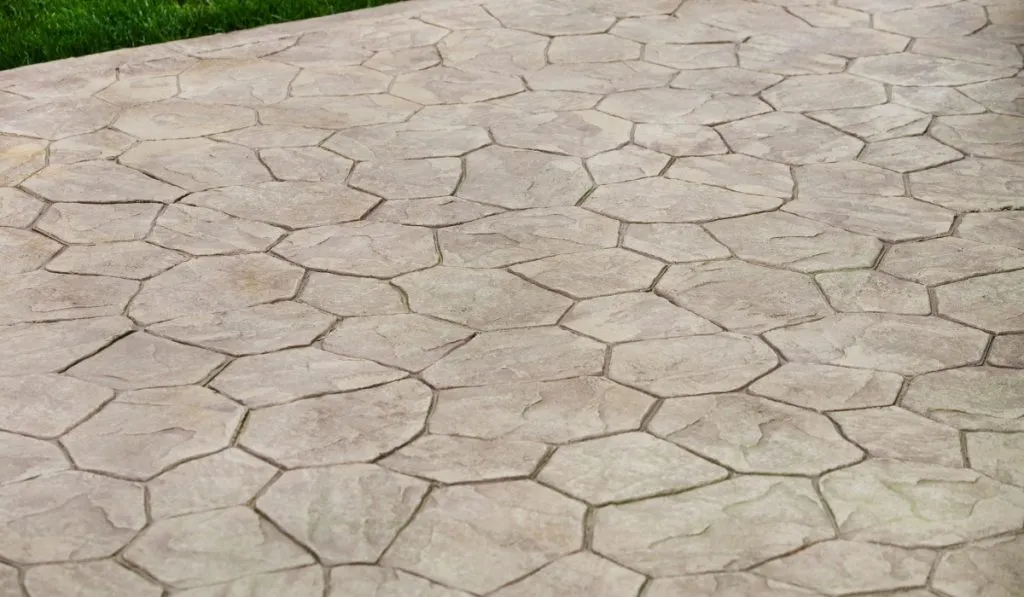
The choice between stamped concrete and pavers isn’t just about looks. It’s about picking the right solution for your budget, maintenance, and Midwest weather.
At-a-Glance Decision Checklist
- Installation costs – Stamped concrete is usually less expensive upfront. Pavers may have lower long-term maintenance costs.
- Timeline – Stamped concrete needs curing time. Pavers can be used right after installation.
- Drainage solutions – Permeable pavers provide better drainage, reducing runoff and water pooling.
- Maintenance – Stamped concrete needs regular sealing and can fade or get efflorescence. Pavers need joint sand replenishment and sometimes polymeric sand.
- Freeze-thaw cycles – Pavers handle freeze-thaw cycles better, reducing cracking and frost heave.
Best Picks by Project Type
- Driveways: Concrete pavers with interlocking design resist freeze-thaw cycles and offer high slip resistance.
- Patios: Stamped concrete gives a seamless look but needs regular sealing to prevent fading and efflorescence.
- Walkways: Pavers are great for walkways because they’re easy to repair and have strong drainage, especially in Midwest climates.
Our experts help you pick the best material for each project type. We consider DIY potential, edging materials, and how each choice fits your landscaping.
Stamped Concrete vs. Pavers in Midwest Freeze-Thaw
Freeze-thaw cycle resistance means a surface can handle freezing and thawing without cracking or shifting. This matters for Midwest homes because freeze-thaw cycles cause concrete damage.
Midwest winters test every surface. Stamped concrete, while strong, is more likely to crack and heave as moisture freezes and expands below it. Concrete pavers, with their interlocking design, handle freeze-thaw cycles better.
Gaps between pavers let them move a bit, reducing pressure and making repairs easy. Midwest Concrete Technologies uses proven base prep and drainage to boost freeze-thaw resistance.
Freeze-Thaw Cycle Resistance
Freeze-thaw cycles make water in the ground expand and contract, testing both stamped concrete and pavers. Stamped concrete can crack, shift, or become uneven if the base isn’t solid or drainage is poor. Frost heave can lift sections and create trip hazards.
Concrete pavers are made to flex with the ground. The interlocking design and flexible joints let them move without major damage. In our experience, pavers are the most reliable choice for areas with lots of freeze-thaw cycles, especially with a good base and proper edging.
Deicing Chemicals and Snowplow Damage Risk
Midwest winters need careful maintenance. Deicing chemicals can cause efflorescence and speed up color fading on stamped concrete, even when sealed. Snowploughs can chip stamped concrete if not used carefully.
Pavers do better, especially with slip-resistant surfaces. Polymeric sand keeps joints stable after ploughing, and the right texture improves winter traction. We recommend finishes that boost safety and reduce slip risks when snow and ice hit.
Frequently Asked Questions
Is stamped concrete cheaper than pavers for a driveway in the Midwest?
Stamped concrete is usually cheaper upfront than concrete pavers for Midwest driveways. Pavers may offer better long-term value with easier repairs and less maintenance.
Do pavers shift or get uneven after winter freeze-thaw cycles?
Pavers with interlocking designs are built to resist shifting and frost heave during freeze-thaw cycles. Good base preparation keeps them even and durable in Midwest winters.
How often do you need to seal stamped concrete, and does it help with deicing chemicals?
Seal stamped concrete every 2–3 years to prevent fading and efflorescence. Sealing also protects against damage from deicing chemicals.
What’s the difference between joint sand and polymeric sand for pavers?
Joint sand fills gaps between pavers and needs regular topping up. Polymeric sand hardens and resists washout, so it needs less maintenance. Both help keep pavers stable.