
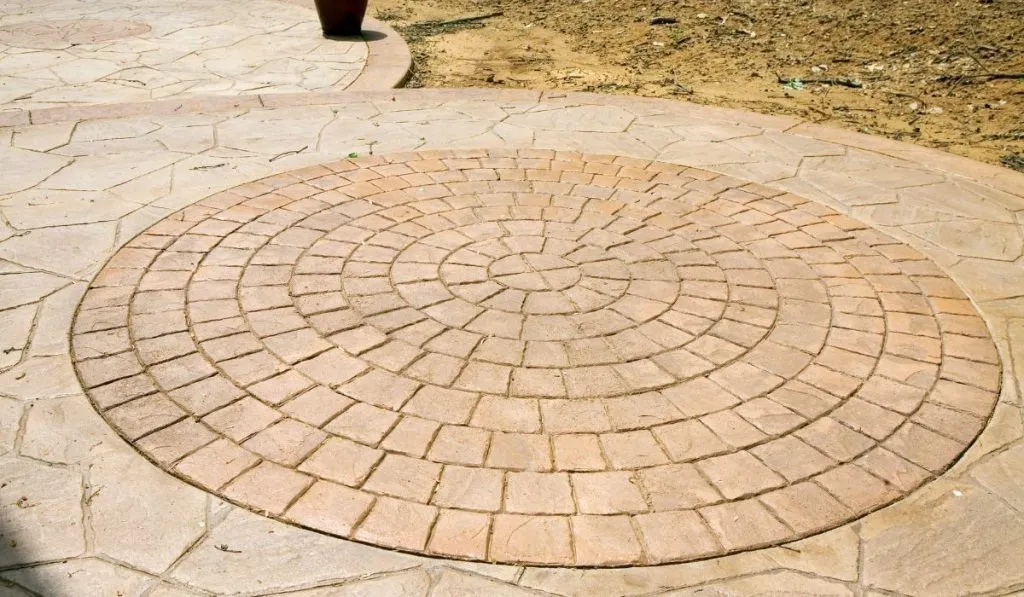
How long does stamped concrete last in Wisconsin climate? Stamped concrete can last 15 to 25 years in Wisconsin if properly installed and maintained to withstand freeze-thaw cycles common during Milwaukee winter season. Regular stamped concrete maintenance helps protect its durability against harsh Wisconsin winters and extends its lifespan compared to other surfaces like pavers.
Stamped Concrete Longevity in Wisconsin
Stamped concrete is a favorite for many homeowners in Wisconsin. It looks nice and can last a long time. But how long does stamped concrete last in Wisconsin’s weather? Let’s break it down so you know what to expect.
Factors Influencing Stamped Concrete Lifespan
Several things change how long stamped concrete lasts:
- Climate Conditions: Wisconsin’s weather changes a lot. Hot summers, freezing winters, and freeze-thaw cycles can hurt concrete.
- Installation Quality: Getting the concrete put in right matters big time. Skilled pros help the concrete last through rough weather.
- Maintenance Practices: Taking care of the concrete regularly keeps it strong longer.
Understanding Wisconsin’s Climate Impact on Concrete
The local weather affects decorative concrete longevity in a few ways:
- Freeze-Thaw Cycles: Water freezes and thaws over and over. This can crack concrete if not handled well.
- Temperature Extremes: Very hot summers followed by cold winters stress outdoor surfaces.
- Moisture Exposure: Rain and snow keep moisture around, which can wear down the concrete over time.
Expected Lifespan of Stamped Concrete in Wisconsin
With good upkeep, stamped concrete lasts about 15 to 25 years or more. Here’s what you should know:
- Realistic Expectations: Most homeowners see about 20 years with regular care.
- Influencing Variables:
- The quality of materials used
- Local weather conditions
- How often you maintain it
Stamped concrete usually lasts longer than plain gray slabs. That’s because stamped surfaces often have thicker layers and sealants that protect them better.
Importance of Professional Installation
In cold places like Wisconsin, getting pros to install your stamped concrete matters a lot:
- Preparing the ground well helps stop freeze-thaw damage.
- Using special mixes made for cold temperatures makes the surface stronger.
Hiring skilled contractors means they follow rules that lower risks from Wisconsin’s seasonal weather patterns.
When you think about these points—climate effects, lifespan chances, and expert installation—you can pick stamped concrete for your home with confidence. It will hold up well and look great for many years.
Understanding Stamped Concrete Performance in Wisconsin’s Climate
Stamped concrete looks great and holds up well for many homes in Wisconsin. But the state’s weather can be tough on it. Freeze-thaw cycles, big temperature swings, moisture, and salt all affect stamped concrete durability in Wisconsin climate. If you don’t handle these well, the surface can wear down, crack, scale, or even spall.
Wisconsin Weather: Freeze-Thaw Cycles and Seasonal Extremes
Wisconsin gets cold winters and warm summers with lots of freeze-thaw cycles from fall to spring. Water seeps into tiny holes in the concrete. When it freezes, it expands about 9%, pushing inside and causing cracks or surface damage over time. This Midwest freeze-thaw impact is a major issue for stamped concrete here.
Hot summers can also cause problems. The sun’s UV rays may fade colors or wear down decorative finishes. Cold winters with bad curing or wrong mix design reduce freeze-thaw resistance concrete needs to have.
Different parts of Wisconsin have different climates too. For example:
- Milwaukee has lake-effect snow.
- Inland areas get colder temperatures.
Because of this, how stamped concrete performs can change by location. Good installation that fits local conditions really helps lower damage risks.
Salt and De-icing Chemical Exposure on Stamped Concrete
Salt and de-icing chemicals help keep roads safe but hurt stamped concrete surfaces on homes in Wisconsin. Snow and ice melt chemical effects speed up damage by getting into small cracks made by freeze-thaw cycles.
Salt exposure effects include:
- Faster scaling (surface flakes off).
- More spalling (layers breaking away deeper down).
These chemicals also wear down sealers faster unless you use good sealants made for salt resistance. To keep your stamped concrete safer:
- Choose pet-safe or less harsh salt alternatives.
- Clean off extra salt after winter storms quickly.
- Apply sealers yearly, following instructions for Wisconsin’s climate.
Installation Quality: A Key to Longevity for Milwaukee Homes
Getting your stamped concrete installed right is super important if you want it to last 15–25 years or more in Wisconsin’s weather.
Good installation means:
- Preparing the ground well to avoid frost heave and letting water drain.
- Using a concrete mix made for cold weather with air bubbles added to fight freeze-thaw damage.
- Curing the concrete right despite temperature changes so it gets strong.
- Putting joints in smart spots to handle expansion and contraction from temperature swings.
If installers rush or don’t prep right, early cracks show up fast because of weak bases or poor curing common in Milwaukee’s cold climate.
Midwest Concrete Technologies focuses on good work with materials fit for the region — this helps your stamped concrete last longer and saves money on repairs later.
Realistic Lifespan Expectations for Stamped Concrete in Wisconsin
Stamped concrete is a solid choice for outdoor surfaces. But the big question is: how long does stamped concrete last in Wisconsin climate? Well, the cold winters and hot summers here put some stress on it. Still, with good care and proper installation, stamped concrete can handle the Midwest freeze-thaw impact and give you long-lasting performance.
Typical Lifespan of Stamped Concrete in Wisconsin Climate
In Wisconsin, temperatures swing a lot—from blazing summers to freezing winters. Stamped concrete usually lasts 15 to 25 years here. This depends on materials, installation quality, and how you maintain it.
Freeze-thaw cycle effects cause the most trouble. Water sneaks into tiny cracks during warm days. Then it freezes at night or wintertime. When water freezes, it expands around 9%. This puts pressure on the concrete and can crack or peel it if not managed well.
Factors That Influence Decorative Concrete Longevity in Cold Climates
A few things decide how well stamped concrete lasts in Wisconsin:
- Air-entrained concrete mix stops freeze-thaw damage.
- Proper curing helps the concrete get strong despite changing temps.
- A stable base reduces ground movement from frost heave.
- Sealing regularly blocks moisture that speeds up wear.
When these things come together with skilled work, decorative concrete longevity gets much better than usual.
Comparing Stamped Concrete Durability to Other Hardscaping Options
Stamped concrete usually beats asphalt or pavers for durability here if done right. Asphalt can get soft and crack under heat, then break more after winter thaws. Pavers may shift as the ground moves unless installed with care.
Stamped exterior concrete forms a smooth surface that stops weeds better than pavers. It also feels smoother than asphalt. These traits add to its maximum longevity value, though it may cost more upfront.
Regional Variations Within Wisconsin Affecting Lifespan
Wisconsin’s climate changes from south to north. This matters for stamped concrete life:
- Northern areas freeze longer each year, so freeze-thaw stress is stronger.
- Southern spots get more sun which can fade colors if sealers aren’t used enough.
Knowing your local weather helps set realistic lifespan expectations based on where you live.
By thinking about these realistic lifespan expectations and getting pros who know how cold weather works, you can have stamped concrete surfaces that hold up well in Wisconsin’s tough climate. Talk to experienced contractors for advice that fits your area so you get lasting beauty and strength from your project.
Midwest Concrete Technologies Installation Best Practices for Cold Climates
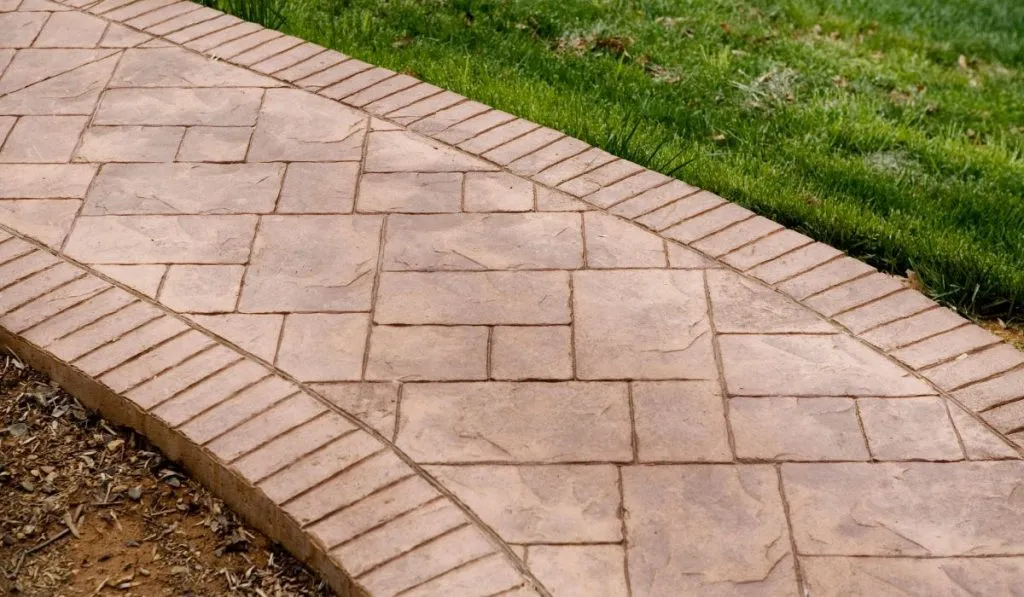
Installing stamped concrete in cold weather takes skill and knowledge. Wisconsin’s winters bring freeze-thaw cycles, big temperature swings, and lots of moisture. These can hurt the concrete if not done right. That’s why you want professional consultation from folks who know this stuff well. Quality concrete installation means using expert craftsmanship. Midwest residential hardscaping jobs really shine when done by professional stamped concrete installers familiar with cold regions. Picking the right concrete contractor selection cold regions is key to getting results that last.
Proper Subgrade Preparation for Freeze-Thaw Resistance
The subgrade needs good preparation to fight freeze-thaw damage in Wisconsin. The soil below the concrete slab has to be compacted and shaped right. This helps stop frost heave, which happens when water freezes and pushes up the ground, causing cracks.
Here’s what to do:
- Remove all organic stuff and loose soil.
- Lay down gravel or crushed stone so water can drain.
- Make sure the ground slopes a bit to carry water away.
Good subgrade drainage stops moisture infiltration, which weakens the concrete over time. This prep lowers damage from freeze-thaw cycles common in cold climates.
Concrete Mix Design Considerations for Wisconsin Weather
Mixing concrete for cold weather needs special care. In Wisconsin, temperatures swing a lot, so your concrete mix should handle it.
Key points:
- Add air entrainment—tiny air bubbles—to help ice form without cracking the slab.
- Use low water-to-cement ratios to make the mix stronger.
- Include fly ash or slag to boost durability.
- Change admixtures depending on seasonal weather patterns Wisconsin faces.
These changes keep stamped concrete tough against winter’s freeze and thaw, so it won’t break down easily.
Curing Techniques for Variable Wisconsin Temperatures
Curing concrete in cold weather takes patience and smart methods. You want to protect fresh stamped concrete from drying too fast or freezing when temps drop.
Try this:
- Cover pours with insulating blankets or use heated tents.
- Pour during warmer parts of the day if you can.
- Use curing compounds made for cold conditions.
Proper curing keeps moisture in so hydration finishes well. This helps reduce winter wear and tear from snow shovels or deicing salts later on.
Strategic Joint Placement and Expansion Considerations
Expansion joints let the concrete move as temperatures change without cracking. In places like Wisconsin, joints need careful placement.
Tips include:
- Put joints near corners, edges, or where slabs meet other surfaces.
- Use flexible fillers that work with stamped finishes.
Good expansion joint systems control joint expansion and help slabs last longer while still looking nice.
Effective Drainage and Water Management Solutions
Water can wreck stamped concrete if it pools or seeps underneath and freezes. That leads to scaling or spalling of surfaces. So drainage solutions are a must.
Do this:
- Add perimeter drains or French drains where water collects.
- Grade your yard so rainwater flows away from patios or driveways naturally.
These moisture protection steps keep your stamped concrete safe through Wisconsin’s wet and icy seasons without losing its look or strength.
Stamped Concrete Maintenance Requirements in Wisconsin
Stamped concrete in Wisconsin needs special care because of the weather. The freezing and thawing, snow, and ice can damage the surface if you don’t look after it. Doing regular maintenance keeps it looking good and lasting longer.
Annual Sealing Schedule and Product Selection for Midwest Winters
Sealing stamped concrete protects it from water and cold damage during winter. Use a sealer made for cold climates. These sealers stop salt, water, and freezing from hurting your concrete. You should reseal every 1 to 3 years to keep cracks and scaling away.
A good resealing plan looks like this:
- Seal right after the concrete cures in year 1.
- Check every year in years 2 and 3; reseal if you see wear.
- After year 3, seal every two years or sooner if needed.
Pick sealers that stick well in Wisconsin’s weather for better protection against winter problems.
Winter Maintenance and Snow Removal Guidance
Winter care helps stamped concrete last through tough seasons. Try these tips:
- Shovel snow off quickly with plastic shovels or soft brooms to avoid scratches.
- Don’t use metal shovels or sharp tools because they can chip or crack the concrete.
- Use ice melt products carefully. Choose ones safe for decorative concrete so they don’t cause damage.
- Wash off salt in spring to stop long-term damage from deicers.
Being careful when melting snow keeps the surface safe and stops slips without hurting your stamped concrete.
Spring Inspection and Repair Protocols
Spring is a good time to check your stamped concrete after winter. Look for:
- Cracks or chips caused by freezing cycles
- Spots where the sealer has worn off
- Areas with scaling or color changes from moisture
Fix small problems fast using patching products made for decorative surfaces. If you repair, reseal to protect before summer sun makes damage worse.
Check your stamped concrete now and then during the year too. This catches small issues early before they grow into big repairs.
Common Stamped Concrete Issues and Prevention
Stamped concrete is a popular pick in Wisconsin. But the weather here can cause some problems. Knowing common issues helps you protect your investment.
Preventing Cracking from Freeze-Thaw Cycles
Wisconsin has lots of freeze-thaw cycles. Water gets into tiny cracks or holes in the concrete. Then it freezes and expands, making cracks worse over time.
To stop this:
- Use freeze-thaw resistant concrete made for cold climates.
- Prepare the ground well with soil that drains water.
- Follow cold climate installation steps like curing properly even when it’s cold.
- Add expansion joints so the concrete can move without cracking.
Doing these things helps your concrete survive Wisconsin’s temperature swings.
Avoiding Color Fading and Surface Wear Patterns
UV rays from the sun can fade stamped concrete colors. Plus, wear shows up in busy spots where people walk a lot.
To keep colors bright:
- Apply good concrete sealers with UV protection every year.
- Pick sealers made just for stamped concrete.
To reduce wear:
- Clean dirt and debris often so they don’t scratch the surface.
- Remove stains quickly with cleaners safe for sealed concrete.
This keeps your stamped concrete looking fresh all year long.
Preventing Scaling and Spalling
Scaling means the surface flakes off. Spalling means bigger chunks break away. Both happen when water gets in, then freezes. Salt used on roads makes this worse.
Prevent these by:
- Using dense, low-water concrete mixes at install.
- Sealing before winter to block moisture.
- Avoid harsh salt; use pet-safe or gentle deicers instead.
Check your concrete regularly to spot scaling early before it gets bad.
Repairing and Protecting Edges
Edges take a lot of abuse from impacts and water. Chips and cracks often start here first. If edges fail, the whole slab weakens.
To care for edges:
- Fix small chips fast using patch materials that match stamped patterns.
- Make sure water drains away from edges so it doesn’t pool there.
In Wisconsin, local pros offer stamped concrete repair services that focus on keeping edges strong using methods made for our weather.