

Concrete resurfacing repairs cosmetic wear by adding a new topping, while replacement removes and repours the slab. In concrete resurfacing vs. replacement, choose resurfacing for minor cracks, spalling, or discoloration on a stable base; choose replacement for deep structural cracks, heaving, sinking, or severe deterioration.
Midwest Concrete Technologies can assess both options through a professional inspection. We evaluate the condition of the base and recommend the most cost-effective solution. Choosing the right approach not only extends the life of your concrete but also enhances its appearance.
Concrete Resurfacing vs Replacement – Which Is Right for Your Needs?
Concrete resurfacing involves applying a new coating or overlay to refresh the surface and fix cosmetic issues, while replacement requires removing the existing slab and pouring new concrete.
When comparing concrete resurfacing vs. replacement, resurfacing is usually suitable for minor cracks, surface wear, or discoloration when the base remains stable.
Replacement is often the better choice for slabs with major structural cracks, sinking, heaving, or extensive damage—issues that often require concrete demolition and slab removal before a new pour.
When to Choose Resurfacing vs Replacement
- Check crack width — If cracks are under 1/4 inch and not moving, resurfacing may work. Wider or shifting cracks require replacement.
- Test for vertical displacement — Use a level. If the slab has settled or heaved more than 1/2 inch, replacement is needed.
- Tap the surface — A hollow sound or delamination (flaking layers) means the concrete is failing. Replacement is required.
- Assess moisture and drainage — Persistent pooling or water infiltration under the slab indicates subbase failure. Choose a replacement.
- Evaluate usage and load — For driveways, commercial lots, or heavy equipment areas with surface wear only, resurfacing with a high-strength overlay can suffice.
How Do You Choose the Right Fix?
Midwest Concrete Technologies is a trusted concrete contractor that helps property owners decide between concrete resurfacing and concrete replacement. We explain the differences, benefits, and limitations of each method so you can pick the right fix for your needs. Every solution addresses both appearance and structural concerns.
When you’re faced with aging concrete, the “resurface vs. replace concrete” question is about durability, safety, and long-term value. We’ve helped many clients across the Midwest and guide them on when resurfacing or replacement is the smarter choice. Knowing the core differences can save time, money, and hassle.
What Concrete Resurfacing Is and What It Can’t Fix
Concrete resurfacing is a process where a thin layer—such as a concrete overlay, skim coat, or microtopping—is applied to the surface of existing concrete. This method is good for improving appearance and fixing surface-level issues like minor cracks or spalling.
Resurfacing can’t fix deep structural damage, delamination, or major subbase problems. For example, you can resurface a driveway with cosmetic flaws, but not one with severe movement or deep cracks.
Resurfacing options work well for driveways, patios, and walkways that show signs of aging but are still strong underneath. A concrete overlay or microtopping hides surface cracks, discoloration, and spalling, giving your property a fresh look. We often recommend resurfacing for clients who want to avoid the cost and disruption of full replacement—but only when the base is solid.
What Concrete Replacement Means and When It’s Necessary
Concrete replacement involves demolishing the existing slab and pouring new concrete, often with upgrades to the subbase. This method is needed when the concrete has big structural damage or widespread settling or when overlays won’t stick because of underlying issues. If you need to replace a driveway with major cracks or a failing base, a full slab replacement is the only reliable solution.
Concrete replacement solves problems that resurfacing can’t fix. Demolition removes all damaged material, and a new concrete pour lets us reinforce the subbase, fix drainage, and install a slab built to handle Midwest winters. Replacement is needed when the surface shows deep structural cracks, severe settling, or repeated heaving—signs that the foundation needs attention.
For commercial properties, full slab replacement is often the best path when traffic, heavy loads, or subbase erosion cause ongoing issues. Midwest Concrete Technologies brings over a decade of hands-on experience to these projects, making sure each replacement meets local codes and delivers lasting results.
The Quick Decision Rule – Cosmetic vs Structural Problems
The fastest way to choose between resurfacing or replacing concrete is to decide if the problem is cosmetic or structural. Cosmetic damage—like surface cracks or discoloration—can often be fixed with resurfacing. Structural damage, such as deep cracks, settling, or repeated movement, means replacement is needed. Look for signs you need concrete replacement, including uneven surfaces and ongoing movement.
We start each evaluation by asking whether the issue is only skin-deep or runs deeper. If you see spalling, small chips, or color fading, resurfacing offers a practical and cost-effective fix. But if cracks are wide, the slab feels unstable, or there are signs of settling—like a sloped driveway or pooling water—replacement is the only way to restore safety and durability.
Homeowners and commercial property managers should check for these signs:
- Surface cracks that don’t shift or widen: resurface
- Deep cracks, heaving, or sinking: replace
- Discoloration and wear: resurface
- Ongoing movement, uneven surfaces, or repeated patch failures: replace
When in doubt, we provide detailed assessments and honest advice based on technical knowledge and years of experience in Midwest soil conditions.
When Does Concrete Resurfacing Make Sense?
Concrete resurfacing is a restoration method that adds a new layer to existing concrete, repairing cosmetic damage and minor surface issues. It works well for sound slabs but fails where structural damage exists. We assess every project to make sure resurfacing is the right fix for lasting results.
Best Candidates – Sound Slab with Surface Wear
Resurfacing works best when your concrete is strong but shows visible signs of spalling, scaling, or minor cracks. If your patio has small surface imperfections or your driveway is faded but not broken, resurfacing is a practical way to restore looks without starting from scratch. Many homeowners choose to resurface a patio or driveway to quickly fix cosmetic concerns, saving both money and time while extending the slab’s life.
We’ve helped hundreds of local clients fix surface wear, using microtopping or skim coats to renew driveways and walkways. We always check for underlying issues first. If your slab passes, resurfacing can be done in just a couple of days and usually costs about half as much as total replacement.
Red Flags – Heaving, Settlement, Wide Cracks and Moisture Issues
If you notice signs of settlement, heaving, wide cracks (over 1/4 inch), or repeated movement, resurfacing is not a solution. These are signs concrete needs replacement. Moisture problems—like constant puddling or delamination—also mean there’s trouble beneath the surface. Trying a concrete overlay on these bases almost always leads to early failure or wasted money.
We’ve seen overlay problems firsthand. Property owners who ignore structural issues often end up paying more for repairs later. If your slab is shifting, sinking, or has deep cracks, we recommend full slab replacement for long-term durability.
Prep Requirements That Determine Success
Even with a sound slab, the key to successful resurfacing is proper surface preparation. This means profiling (grinding or roughening), thorough cleaning, crack repair, and applying a bonding agent. Skipping any of these steps can cause overlay delamination or weak spots that chip and peel. Our process includes detailed prep, making sure the new bonded overlay sticks tight and lasts through Midwest weather.
Knowing how to resurface concrete correctly is part of our commitment to quality. We use high-performance bonding agents and follow industry standards, so you get results that look good and hold up to daily use.
When Is Concrete Replacement the Smarter Choice?
Concrete replacement is needed when structural problems and deep base issues make resurfacing impossible. For long-term safety and performance, follow these steps to decide if replacement is right for your property.
With over a decade of local experience, we handle full slab replacements and concrete installation services for both residential and commercial projects where overlays won’t work.
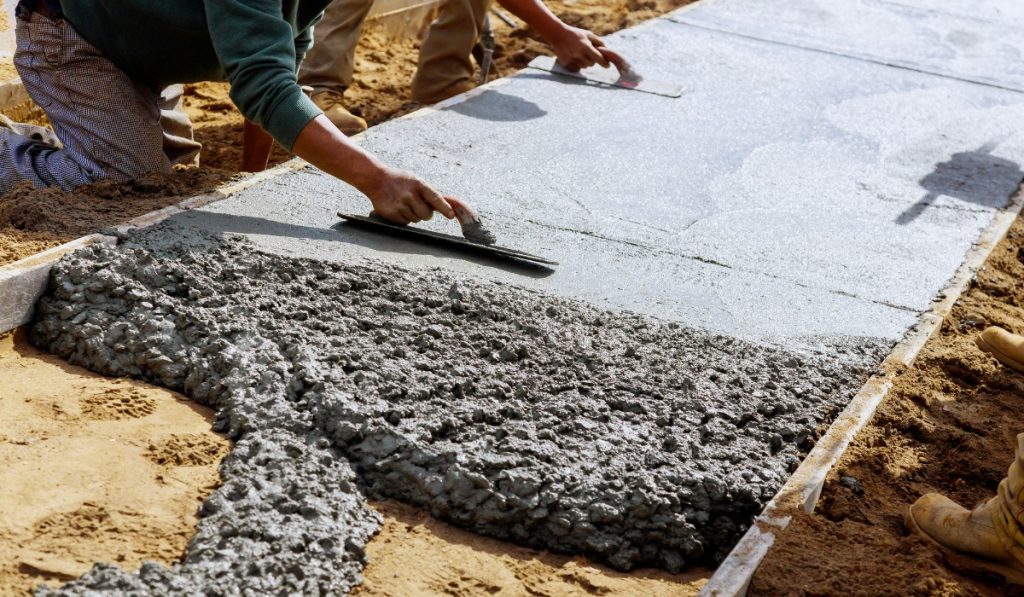
Structural and Base Failures That Overlays Can’t Solve
- Identify subbase failure or significant settlement—these conditions mean you need to replace the concrete slab. If the ground beneath is unstable, no overlay will last.
- Check for structural damage that overlays can’t fix, such as deep cracks, shifting, or slabs broken by tree roots. Full slab replacement is the only solution for these issues.
- Choose slab replacement for long-term stability and safety, especially when you’re dealing with repeated movement or water infiltration.
Ignoring structural damage leads to worsening cracks and trip hazards. We recommend full slab replacement when foundational strength is compromised.
Upgrading Thickness, Reinforcement, and Drainage for Heavy Use
- Assess the need for increased thickness or reinforcement (like rebar) for heavy traffic areas. Commercial parking lots and residential driveways often need thicker pours.
- Improve drainage to prevent future water-related issues—grading and proper slope are essential.
- Opt for driveway replacement or parking lot upgrades when a higher load-bearing capacity is needed. This ensures your new slab can handle vehicles, weather, and seasonal freeze-thaw cycles.
Our experts often upgrade commercial concrete with added rebar and fiber mesh, resulting in durable surfaces that handle years of wear.
Permits, Inspections, and Code-Compliant Work for Local Projects
- Confirm all necessary permits and inspections are secured before starting work. Local rules can impact project scope.
- Make sure the project meets code-compliant standards, including slab thickness and reinforcement.
- We handle all permitting and compliance so you don’t have to worry about paperwork or inspections. We know the regional codes and always build to spec.
Commercial clients and homeowners benefit from our streamlined process, which prevents delays and costly mistakes.
How Long Will It Last? Lifespan, Durability, and Maintenance
Concrete resurfacing and replacement restore worn surfaces, but their durability depends on climate and usage. Resurfacing is more affordable but needs careful maintenance; replacement offers a longer lifespan for severe damage. Picking the right method protects your investment and cuts future repairs.
Several environmental and usage-related factors impact your concrete. Freeze-thaw cycles are common in the Midwest, causing cracking and spalling, especially when water seeps into the surface and expands during winter. De-icing salts speed up surface wear and can lead to spalling from salt exposure. Good drainage keeps water from pooling and freezing, stopping freeze-thaw damage.
A maintenance plan for resurfaced concrete is important. We recommend sealing your driveway or overlay every 1–2 years to protect against moisture and salt. Regular cleaning prevents staining and buildup. If you have a concrete overlay or microtopping, avoid using de-icing salts during winter—this simple step helps keep the overlay strong for years.
For newly poured concrete, the focus shifts a bit. Allow proper curing time: seven days for light traffic, which gives the slab strength. Control joint spacing helps prevent cracks from spreading. We advise following a set sealing schedule—usually every 2–3 years—to maximize durability and keep your investment looking fresh.
By combining these practices, you make sure both resurfacing and replacement solutions last as long as possible.
How We Evaluate Slabs
At Midwest Concrete Technologies, every evaluation follows a standardized 5-point inspection:
- Visual inspection for cracks, spalling, discoloration, and joint condition.
- Tap testing to detect delamination or hollow spots.
- Level check for settlement or heaving (using a laser level).
- Moisture and drainage assessment to identify subsurface issues.
- Load and usage review to match the solution to traffic and environment.
Contact us today for a professional assessment and discover whether resurfacing or replacement is the best solution for your concrete surface
Frequently Asked Questions
Is resurfacing cheaper than replacement?
Yes. Resurfacing typically costs 40–60% less than replacement because it skips demolition, disposal, and subbase work.
How long does resurfacing last?
With proper prep and maintenance, a concrete overlay lasts 8–15 years in the Midwest. Sealing every 1–2 years extends its life.
Can you resurface over cracked concrete?
Only if cracks are minor and stable. Deep or moving cracks must be repaired or replaced first—otherwise, the overlay will crack too.
When must a slab be replaced?
Replace when there’s deep structural cracking, settlement over 1/2 inch, heaving, or subbase failure. These issues can’t be fixed with overlays.
Does freeze-thaw affect overlays?
Yes. Overlays are vulnerable to freeze-thaw damage if not properly sealed or if water penetrates through cracks. Air-entrained overlays and annual sealing reduce risk.