
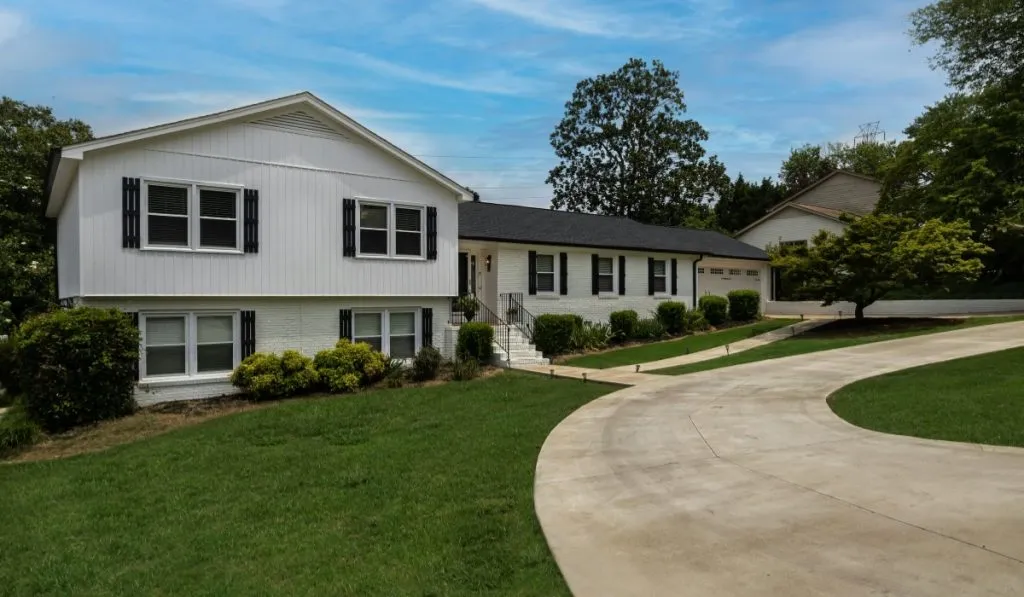
Concrete driveway costs in Waukesha typically run about $6–$12 per square foot installed, with most homeowners landing between $4,000 and $9,000 for a standard two-car driveway.
Price shifts with thickness, base prep, demolition, drainage, and finishes like broom, stamped, or exposed aggregate. Midwest Concrete Technologies can provide a precise on-site estimate.
Concrete Driveway Cost in Waukesha – What You’ll Pay and Why
Concrete driveway costs in Waukesha cover installation, replacement, and repair. Midwest Concrete Technologies is known for accurate estimates and clear pricing. Homeowners get strong results and expert advice, making sure their investment fits local needs and codes.
When you’re thinking about concrete driveway costs in Waukesha, it helps to work with a contractor who knows the area’s weather and soil. We specialize in concrete driveway installation, driveway replacement and stamped concrete projects throughout Waukesha, WI.
Our hands-on experience means we give you more than just a price. We offer a solution that lasts through Wisconsin’s cold winters and wet springs. Whether you’re replacing a cracked driveway or planning a new one, we help you understand every cost so there are no surprises.
We know homeowners want clear answers and dependability. We give detailed estimates, breaking down materials, labor, and any special finishes. Our crew has completed hundreds of Waukesha concrete driveway projects, so we know the city’s permit process and how to build a solid base. When you ask for a quote, you get straight answers and a timeline we stick to—no missed deadlines, no hidden fees.
What Makes Waukesha Driveway Pricing Different
Driveway pricing in Waukesha, WI, depends on local rules and weather. Building codes require permits for driveway replacement or new installation. City inspectors check for proper grading, compaction, and expansion joints. Our local experience means we handle all permit paperwork and build to code, saving you trouble later.
Waukesha’s freeze-thaw cycles are tough—the ground moves as temperatures change, so a Waukesha concrete driveway needs to be built for strength. We often suggest thicker slabs or extra reinforcement to stop cracking and heaving. Site access can also change the price: tight spaces or sloped yards may need more labor, extra digging, or special tools. These details are in our estimate, so you don’t pay extra later.
We know the neighborhoods and soil in Waukesha. We adjust every project to the site, making sure drainage and base prep meet local standards. Spending a little more on good prep helps you avoid big repairs later.
What You’ll Learn About Concrete Driveway Cost in Waukesha
Picking the right contractor and understanding concrete driveway costs in Waukesha means knowing what changes the price, how quotes work, and when repair or replacement is the better choice. We brings years of local expertise, so you can plan your driveway project and avoid common mistakes. Here are core takeaways:
The 6–8 Biggest Pricing Levers You Can Control
- Slab Thickness – A thicker slab lasts longer but costs more.
- Finish Options – Decorative finishes like stamped or colored concrete look nice but cost extra.
- Reinforcement – Adding rebar or wire mesh makes the driveway stronger and last longer but raises material and labor costs.
- Site Complexity – Soil condition, slope, or narrow access can change the price.
- Drainage Needs – Poor drainage may require added channel drains or grading work.
- Permit Requirements – Waukesha city codes may require specific apron or setback details.
- Timing – Late fall or early spring pours may incur weather-related delays.
- Sealing – Annual sealing protects against salt and freeze-thaw damage.
How to Compare Quotes Without Missing Hidden Scope
- Detailed Scope – Check if demolition, base prep, grading, and curing are included.
- Hidden Fees – Ask about permit costs, haul-away charges, or exclusions so you can compare quotes the right way.
When Repair vs Replacement Saves Money
- Repair – Small cracks or surface wear can often be fixed for less than replacing the whole driveway.
- Replacement – If your driveway has lots of damage or a failed base, full replacement is usually cheaper long-term.
- Midwest Concrete Technologies can help you pick between repair and replacement, saving you money and trouble.
What’s Included in a Concrete Driveway Quote?
A concrete driveway quote in Waukesha is a full estimate that covers demolition, base prep, concrete pouring, and finishing. We gives line-item quotes so you know exactly what’s included. This helps you budget, compare options, and avoid surprises.
- Demolition and haul-away: Concrete driveway removal is usually the first line in your quote if you’re replacing an old driveway. This means breaking up the old concrete, hauling away the debris, and paying landfill or recycling fees. Driveway demolition cost depends on concrete thickness, site access, and total size. We include all disposal and labor costs, so you don’t get hidden fees later.
- Base prep and grading: Good base prep for concrete driveway installations starts with grading and compacting the soil to stop future settling. Add a gravel base for drainage, protecting your new driveway from Wisconsin’s freeze-thaw cycles.
- Concrete pour details: Every quote should list the concrete thickness (usually 4–6 inches), PSI rating for strength, and reinforcement method (like rebar or wire mesh). Control joints and expansion joints are included to lower the risk of cracking as the slab expands and contracts. Good concrete pouring and these details are important for a driveway that stands up to Wisconsin’s weather and regular use.
- Finishing, curing, and sealing: Finishing details change how your driveway looks and how long it lasts. Your quote will show options for a broom finish or decorative textures, plus the method for curing the slab. Sealing is also included to protect your driveway from moisture, salt, and freeze-thaw damage. A good sealer makes a big difference in how long your driveway stays nice and crack-free.
How to Estimate Your Waukesha Concrete Driveway Cost
Estimating your Waukesha concrete driveway cost is simple if you follow a few steps. We suggest starting with good measurements, then looking at specs, site conditions, and whether demolition is needed. Here’s how to get a close estimate before calling the pros.
- Measure Your Driveway: Use a tape measure and record the full width and length in feet. If your driveway is curved or flared, break it into rectangles and triangles, then add up the total area. Multiply width by length to find the square footage.
- Select Proper Specs: Pick a slab thickness—most Waukesha driveways need 4–6 inches. Choose concrete rated at least 4,000 PSI, and make sure it’s air-entrained to handle freeze-thaw cycles. These specs are important for driveways that face harsh winters and heavy vehicles.
- Evaluate Site Conditions: Walk the site and check for soft or wet soil, steep slopes, or tricky access for equipment. Mark any underground utilities. Adjust your estimate if extra grading, digging, or base work is needed for stability and drainage.
- Include Demolition Costs: If you’re replacing an old driveway, add concrete demolition and disposal to your estimate. Midwest Concrete Technologies will check your calculations and can give an on-site estimate that catches details you might miss, like haul-away and landfill fees. This helps your budget cover the full job.
What Drives Costs Up or Down for Driveway Projects?
The cost of a concrete driveway in Waukesha depends on slab thickness, reinforcement, soil and drainage, and site access. Each part can raise or lower your total cost. Knowing these helps you plan and avoid surprises.
- Thickness, reinforcement, and load needs: The thickness of your driveway slab and the type of reinforcement matter a lot for cost. For standard cars, a 4-inch slab with wire mesh might be enough. If you have a heavy truck or RV, you’ll need a thicker slab—often 5 or 6 inches—and added rebar.
- Soil, drainage, and base repairs: Soil stability and drainage are big reasons why concrete driveway quotes change. If your property has clay-heavy or shifting soils, or if water pools under the slab, we may need to dig and rebuild the base before pouring. This can mean extra gravel, compaction, or adding a drainage system—costs that can add hundreds to thousands of dollars. You might not see these fixes, but they’re key for a long-lasting driveway.
- Access and logistics: Not every Waukesha driveway is easy to reach. Fences, narrow side yards, or power lines can make equipment access hard, which raises labor costs. Sometimes, need to use smaller tools, hand-pour sections, or spend extra time working around obstacles. All these challenges change your final labor cost.
- Timing and weather in Waukesha County: Weather is a big factor for any Waukesha concrete driveway project. The best time to pour concrete in Wisconsin is between late spring and early fall, when freeze-thaw cycles are less of a problem. Pouring during cold snaps or heavy rain can delay the project and change how well the concrete cures.
Frequently Asked Questions
Does driveway demolition and haul-away get included in concrete driveway quotes in Waukesha?
Most concrete driveway quotes in Waukesha include demolition, removal, and disposal for replacement jobs. Always confirm this is included in your line-item quote to avoid surprise fees.
How thick should a concrete driveway be in Wisconsin for cars vs. heavier vehicles?
A standard driveway thickness in Wisconsin is 4 inches for cars. For heavier trucks or RVs, 5–6 inches with rebar is best. Our professionals adjust the specs to fit your project and vehicles.
How long before I can drive on a new concrete driveway in Waukesha’s weather?
You can usually drive on a new concrete driveway in Waukesha after 7 days of curing, but it reaches full strength at 28 days. Sealing the surface in the first year helps protect your driveway from freeze-thaw cycles.