
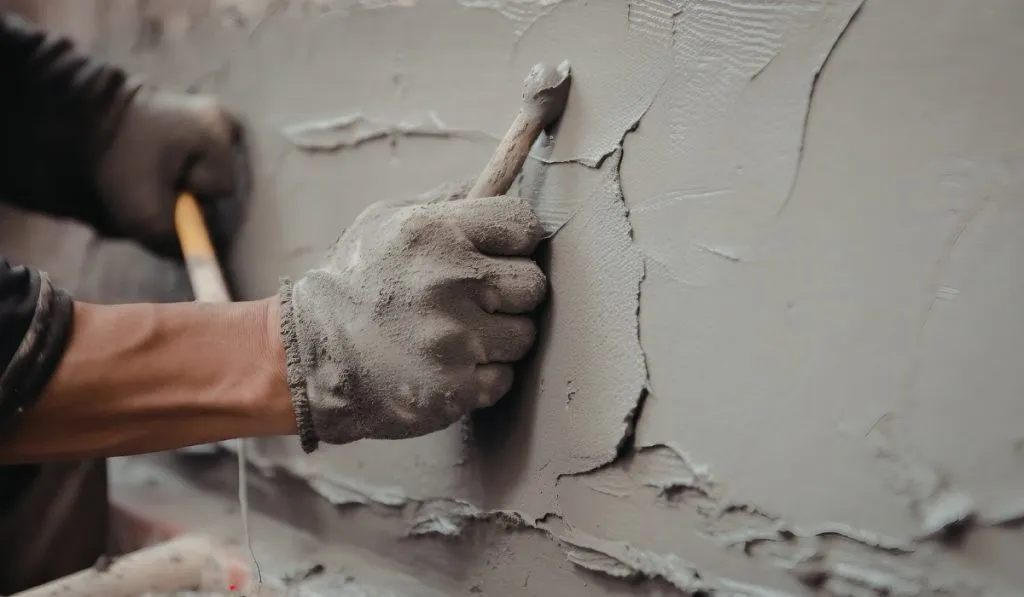
Concrete crack repair stops water intrusion and prevents small cracks from becoming spalling, settling, or trip hazards. Pros typically clean and route the crack, then fill it with epoxy, polyurethane, or polymer-modified mortar, matched to movement and depth. Midwest Concrete Technologies can assess the cause and deliver a long-lasting fix for slabs, driveways, and patios.
Concrete Crack Repair Services for Driveways, Patios, and Slabs
Concrete crack repair helps prevent water penetration and stops minor cracks from turning into larger problems like surface damage, settling, or safety hazards. Repair professionals usually clean and prepare the crack before filling it with materials such as epoxy, polyurethane, or specialized repair compounds that match the crack’s depth and movement. Proper repair restores strength and extends the life of concrete surfaces like driveways, patios, and slabs.
Best Way to Repair a Concrete Crack
Seal hairline cracks with flexible sealant. Patch cracks 1/16–1/8 inches wide using polymer-modified mortar. For cracks > 1/8″, especially in structural areas, use epoxy injection if non-moving or polyurethane injection if movement is present. Width, depth, and movement determine the method.
Licensed and insured for over a decade. We diagnose crack causes using a 4-point checklist: crack pattern analysis, moisture tracking, subbase stability testing, and joint functionality review.
How to Repair Concrete Cracks
- Gather tools: Wire brush, vacuum, chisel, backer rod, caulk gun, flexible sealant, gloves, and safety glasses.
- Clean out crack: Remove loose debris, dirt, and old filler with a wire brush or air tool.
- Route if needed: Widen deep or narrow cracks with a grinder to create a “V” groove for better adhesion.
- Insert backer rod: For cracks deeper than 1/2″, compress a backer rod to 1/2 the depth—never fill deeper than the crack’s width.
- Apply sealant: Use a polyurethane self-leveling sealant like Sikaflex SL. Smooth the tool with a gloved finger.
- Allow cure time: Wait 24–48 hours before foot traffic and 72 hours for vehicle use.
- Monitor: Check for separation or water entry after freeze-thaw cycles.
- Call a pro if the crack is wider than 1/4″, shows settlement, or reopens after the repair.
Concrete Crack Repair – How to use it
Concrete crack repair fixes cracked driveways, walkways, and foundations by sealing or patching damaged spots. Midwest Concrete Technologies offers repairs made for Midwest freeze-thaw weather. Fixing cracks early keeps water out, makes concrete last longer, and helps you avoid big repair bills.
If you see a crack, check its width, depth, and where it is. Cracks wider than 1/8 inch, especially in driveways or walkways, can get worse from weather or heavy cars. Even small cracks let water in, which can make concrete break or sink if you don’t fix them. We suggest fixing cracks soon to stop bigger problems and protect your property.
Cracks in foundations are different. Vertical cracks or ones that get wider might mean the ground is moving or the building is under stress. Midwest Concrete Technologies checks crack patterns, movement, and water stains to see if there’s a risk. Fixing these cracks helps keep your building safe and saves money later.
What Counts As a Concrete Crack Worth Repairing Now
Check a crack’s width, depth, and location to see if it needs fixing now. Small cracks in driveways, walkways, or foundations can get worse fast, especially if they get wet or have lots of traffic. Fixing small cracks early stops bigger damage.
- Width Matters – Cracks wider than 1/8 inch need repair.
- Depth and Location – Deep cracks or those near joints can mean bigger problems.
- Moisture Exposure – Cracks that get wet or freeze and thaw break down faster.
- Traffic Areas – Cracks in driveways, walkways, or patios get worse with use.
- Spalling or Settlement – Crumbling or uneven spots need quick attention.
Our experts look at each crack and suggest crack sealing, crack filling, or a stronger repair. By checking crack size and the weather, we pick the right fix for you.
Common Causes of Concrete Cracks and How Fixes Change
Shrinkage during curing creates hairline cracks. Thermal movement from freeze-thaw cycles widens joints. Poor subbase or drainage leads to settlement. De-icing salts accelerate surface breakdown. Rebar corrosion causes spalling. Control joints are intentional weak lines to direct cracking.
Fixes change by cause: shrinkage cracks get sealed. Settlement cracks require subbase correction before slab crack repair. Spalling from rebar corrosion needs patching with corrosion-inhibiting mortar. Poor drainage-related cracks require grading fixes before joint sealant application.
How to Know When a Concrete Crack Needs Immediate Repair
Crack sealing keeps water out and stops freeze-thaw damage. Structural repairs make the concrete strong again. Midwest Concrete Technologies helps you pick the right fix based on how bad the crack is and where it is.
For small cracks in driveways or walkways, sealing with a polyurethane self-leveling sealant keeps water out and stops more damage. This works for surface cracks that don’t hurt the strength of the concrete. Structural repairs use polymer-modified mortar or new concrete to fix bigger cracks, especially in foundations or where the ground has moved.
We check each crack and suggest the best fix. Whether you need sealing or a full repair, we make sure your concrete stays safe.
Understanding Structural Integrity in Concrete Crack Repair
Concrete crack repair keeps concrete strong by sealing or bonding cracks. Midwest Concrete Technologies checks for risks to make sure cracks don’t get worse. This keeps water out and protects your driveway, patio, or foundation.
| Crack Type | Structural Risk | Repair Action |
| Hairline surface | Low | Sealant/monitor |
| Wide/foundation | High | Structural repair |
| Diagonal/settling | Moderate-High | Engineer assessment |
| Control joint | Low | Routine sealing |
Knowing the type of crack helps you pick the right repair. Hairline cracks on driveways usually just need sealing. Wide cracks in foundations are risky and need strong repairs like epoxy injection. Diagonal cracks or cracks from settling should be checked by an engineer. Control joints are made to crack and just need sealing.
Signs a Crack May Affect Structural Integrity
Cracks that hurt the structure are often near foundations or run in wide, diagonal lines. These can mean the ground is moving. If you see cracks getting bigger or wider, ask Midwest Concrete Technologies for help. We can help you stop water damage and bigger repairs.
When to Call a Structural Engineer vs Concrete Repair Contractor
Call a structural engineer if cracks are wide, deep, or moving. These can mean the foundation is shifting. If cracks are small or just on the surface, a concrete repair contractor like Midwest Concrete Technologies can seal or patch them. Professional repairs keep your driveway, patio, or walkway safe.
Foundation Crack Patterns that Suggest Settlement or Movement
Stair-step cracks along foundations often mean the ground is settling. Cracks near corners or running diagonally across the slab can also show movement. Fix these cracks quickly to stop more damage and avoid big repairs. Our experts see these patterns in many local homes.
Step-by-Step Surface Preparation for Adhesion
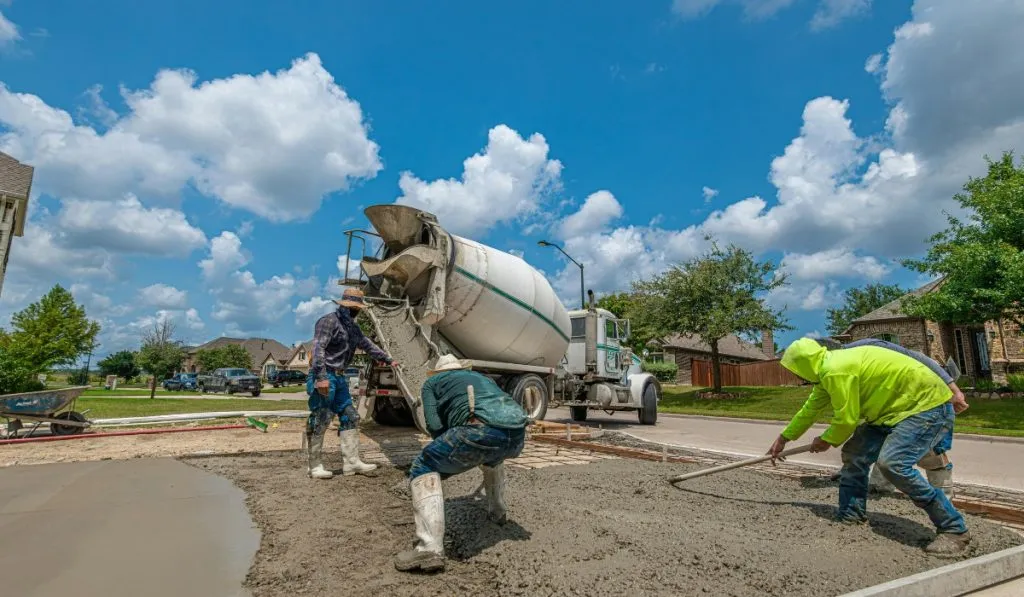
Getting the surface ready is key for a strong repair. Our team follows steps to make sure repairs stick and keep water out, whether we use epoxy, mortar, or sealant.
- Drying and masking: Make sure the crack is dry before adding sealant, epoxy, or mortar. Water can stop repairs from sticking. Mask the area with tape or boards to keep the repair neat. Our team says to prep every surface, especially for driveway repairs, for the best results.
- Clean out crack: Start by cleaning out broken pieces, dirt, or old filler with a wire brush, vacuum, or air. Get rid of all loose stuff to show fresh concrete. This helps the repair stick and keeps water out. Clean cracks on walkways, driveways, or patios.
- Crack routing: For deep or uneven cracks, use a grinder or chisel to make the crack a bit wider. This gives more space for repair materials to stick. Crack routing is important for strong repairs and epoxy injection. Midwest Concrete Technologies suggests routing wide cracks in driveways and foundations.
Choosing UV-Resistant and Flexible Sealants
Pick the right repair product based on where the crack is, how much it moves, and if it gets sun. Midwest Concrete Technologies gives advice based on the surface and crack type.
Flexible sealant and Sikaflex
- Flexible sealant — Polyurethane self-leveling sealant handles movement and UV exposure.
- Concrete driveway cracks — Good for driveways and walkways that get sun and freeze-thaw cycles.
- Product recommendation — We recommend Sikaflex SL for cracks that open and close.
Epoxy injection
- Epoxy injection — Creates a rigid, high-strength bond for nonmoving structural cracks.
- Limitations — Not suitable for active or moving cracks. Use polyurethane injection or flexible joint sealant instead.
- Expert guidance — Suspected movement requires engineering review before epoxy is applied.
Mortar and patching compounds
- Mortar and patching — Good for surface repairs and small cracks.
- Limited durability — Not good for cracks that move or freeze and thaw.
- Expert advice — We suggest patching compounds for looks only, not for structure.
DIY Concrete Crack Repair For Small Cracks
Concrete crack repair fills and seals small cracks to keep water out and stop more damage. Using the right materials like sealant and backer rod helps repairs last. This process lets homeowners fix cracks on driveways, patios, and walkways.
Backer Rod and Alternatives for Deep Cracks
For deep cracks, put in a backer rod or a pool noodle before adding sealant. The backer rod controls how deep the sealant goes and helps it flex as the concrete moves. If you don’t have a backer rod, a trimmed pool noodle works for cracks over 1/4 inch wide. Push the backer rod in until it’s about 1/2 inch below the surface.
Apply Sealant Correctly
After the backer rod is in, put flexible sealant over the crack and rod. Smooth the sealant with a putty knife or gloved finger. Keep the sealant depth the same as the width—usually no more than 1/2 inch thick. Let the sealant cover the crack edges to keep out water and dirt. This helps the repair last through freeze-thaw cycles.
Driveway Crack vs Walkway Crack
For driveway cracks, use a UV-resistant sealant like Sikaflex. Driveways get heavy use and lots of sun. Use a backer rod to control depth. For walkway cracks, pick a flexible sealant to handle foot traffic and movement.
Our team gives advice based on where the crack is and how big it is. Using mortar for a stiff patch or sealant for flexibility helps stop future problems.
Frequently Asked Questions
What is the best product for driveway crack repair in freeze-thaw climates?
A polyurethane self-leveling sealant works well for driveway crack repair in freeze-thaw climates. It stays flexible and keeps out water. Sikaflex SL is one effective option.
Should I use epoxy injection or a flexible sealant for a foundation crack?
Use epoxy injection for non-moving structural foundation cracks. For moving cracks, use polyurethane injection or flexible joint sealant. Engineering review is advised if movement is suspected.
Do I need backer rod for concrete crack repair, and what size should it be?
A backer rod is needed for deep cracks to control sealant depth. Pick a backer rod slightly larger than the crack width to ensure compression.
Can I repair cracks between a walkway and foundation with Sikaflex sealant?
Yes, Sikaflex sealant works for cracks between a walkway and a foundation. It keeps the crack sealed and stops water.
When is cutting out and repouring better than patching a crack in concrete?
Cut out and repour is better for wide, deep cracks or where there are crumbling, empty spots, or lifting. Patching may not last in these cases.