Colored Concrete Services in Waukesha, WI — Decorative & Colored Concrete Services

Midwest Concrete Technologies provides professional colored concrete services in Waukesha, WI, offering custom color blends, durable sealers, and decorative finishes for driveways, patios, garage floors, and entryways. We help homeowners and businesses enhance curb appeal with long-lasting, beautifully finished concrete.
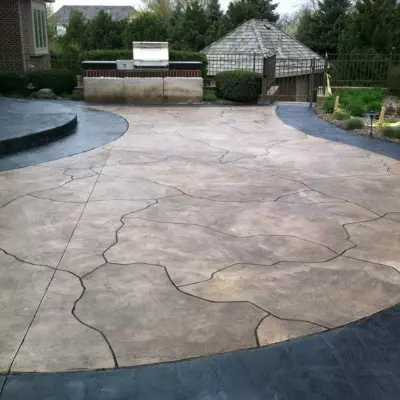
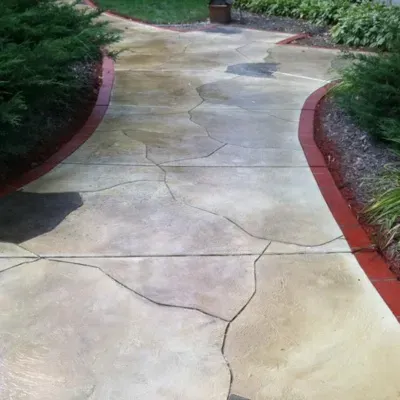
Decorative colored concrete pathway enhances outdoor space in Waukesha

What Makes Colored Concrete a Popular Choice

Colored concrete is gaining popularity due to its versatility and cost-effectiveness compared to other decorative flooring options. Instead of simply laying plain gray concrete, adding color can dramatically improve the aesthetic appeal of any concrete surface.

With colored concrete, you get a wide range of shades and styles that can complement any architectural design.

Many property owners in Waukesha choose colored concrete because it:

Visually Enhances Curb Appeal

Colored concrete creates an attractive, modern look that complements both traditional and contemporary architecture.

Stands Up to Harsh Midwest Weather

Designed to perform well under Waukesha’s freezing winters and hot summers, colored concrete maintains its integrity across seasons.

Delivering Reliable Colored Concrete Solutions for Waukesha Homes and Businesses

We provide dependable colored concrete services tailored to meet the specific needs of both residential and commercial properties in Waukesha, WI. Our team brings years of hands-on experience to every project, combining skilled craftsmanship with industry-leading materials to ensure consistent, high-quality results.

We approach each installation with attention to detail and a focus on long-term performance. We understand the demands of Wisconsin’s climate and build concrete surfaces designed to endure while maintaining their visual appeal. From initial consultation to final sealing, our process is transparent, efficient, and focused on delivering value and satisfaction to every client.
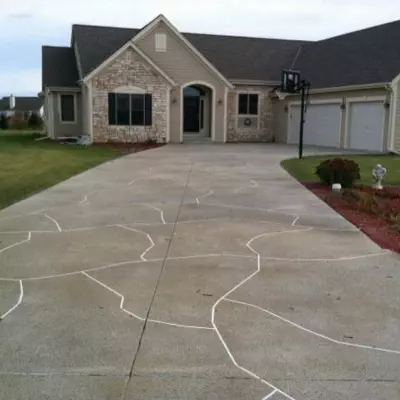
Colored concrete driveway enhances curb appeal of a residential house in Waukesha during a cloudy day
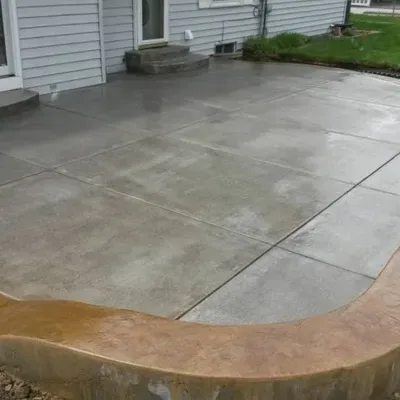
Custom colored concrete project in Waukesha showcasing a unique patio design
Colorful concrete patio installation in Waukesha enhances outdoor space with unique design and craftsmanship

Our Colored Concrete Installation Process

At Midwest Concrete Technologies, our colored concrete installation goes beyond simply adding pigment to cement. We begin with a detailed site evaluation to ensure proper ground conditions. Next, we prepare a solid sub-base and apply high-quality color hardeners or integral pigments for long-lasting color. During the pouring process, our team pays close attention to even mixing and smooth finishing.

Once poured, we use curing compounds and sealers to lock in color and protect the surface. Every step is handled with precision to ensure a vibrant, durable, and visually striking result. Our goal is to deliver colored concrete that not only looks stunning but also stands the test of time.

Project Planning and Color Selection

We begin with a thorough consultation to understand your goals, recommend suitable color options, and choose the best finish for your space.

Site Preparation and Forming

Our team prepares a stable base by grading, compacting, and setting forms to ensure proper drainage and a solid foundation.

Concrete Mixing and Placement

We mix high-quality pigments directly into the concrete and pour it with precision to achieve consistent color and smooth coverage.

Finishing, Curing, and Sealinguality

After shaping and texturing the surface, we allow the concrete to cure properly before applying a protective sealer that enhances color and durability.

Contact Us for a Free Quote!

If you’re considering colored concrete for your home or business in Waukesha, we are here to help. Our consultative approach ensures you receive the best design, application method, and finish for your needs.

Let’s discuss your project goals and explore the possibilities.

How to Choose the Right Colored Concrete Method for Your Waukesha Project (Integral Color vs. Acid Stain vs. Overlays)

Midwest Concrete Technologies provides expert Colored Concrete Services in Waukesha, WI. Below is a simple, side‑by‑side guide to help you pick the right method for driveways, patios, and interior floors.

Integral Color

  • Pros: Integral color mixes pigment into the concrete. It creates a uniform look and hides chips.
  • Cons: Integral color limits surface texture options. It is harder to change later.
  • Best uses: Driveways, sidewalks, and large slabs.
  • Color permanence: Very good — the pigment runs through the slab and fades slowly with UV.
  • Maintenance: Reseal every 2–5 years. Clean regularly. See ConcreteNetwork for guides.

Acid Stain

  • Pros: Acid stain produces variegated, natural stone looks. It penetrates and reacts with the concrete.
  • Cons: Acid stain reacts only with some concrete mixes. The pattern can be unpredictable.
  • Best uses: Patios, interior floors, and decorative slabs.
  • Color permanence: Permanent chemical change; color can mellow with wear.
  • Maintenance: Reseal every 2–5 years. Avoid harsh cleaners. See ConcreteDecor for more.

Overlays (Stamped / Polymer)

  • Pros: Overlays can mimic stone or brick. They let you resurface worn slabs and customize finishes.
  • Cons: Overlays add a thin layer that can chip if the base fails. Prep and skill add labor.
  • Best uses: Patios, pool decks, and interior resurfaces.
  • Color permanence: Good with high‑quality polymer systems; wear depends on traffic and sealer.
  • Maintenance: Reseal on a regular schedule. Repair chips early. See Portland Cement Association for technical details.

Midwest Concrete Technologies installs colored concrete in Waukesha to protect color and long‑term performance. Below is a step‑by‑step guide from site prep to sealing with local weather and drainage notes.

Site preparation, subgrade and drainage

  • Crew clears vegetation and organic soil.
  • Crew proof‑roll the subgrade and remove soft spots.
  • Team compacts soil to at least 95% of standard Proctor density for driveways and slabs (per industry practice).
  • Installer places a granular base: 4–6 inches for patios and walkways, 6–8 inches for residential driveways.
  • Contractor sets slope for drainage at 1/8″–1/4″ per foot away from structures.
  • Designer adds underdrain or geotextile when water table or clay soils exist.
  • Crew places reinforcement (wire mesh or rebar) on supports so it sits mid‑depth of the slab.

Weather considerations for Southeastern Wisconsin

  • Southeastern Wisconsin has freeze–thaw cycles and variable spring and fall temperatures.
  • Well, plan pours when weather will lower risk.
  • Best window: late spring through early fall (May–October).
  • Contractor skips pours if air temps drop below 40°F unless cold‑weather procedures are in place (insulated forms, heated curing blankets, accelerators). ACI guidance covers protection until concrete attains safe strength.
  • Crew reduces evaporation in hot, dry, or windy conditions to prevent plastic shrinkage cracking.
  • Team monitors forecasts for rain during placement and initial set and covers slabs if rain is likely.

Mixing and placing (color control and placement)

  • Batch plant and crew set color at the source.
  • Designer specifies integral pigments or surface color systems and confirms dosage with a pre‑pour mockup.
  • Contractor uses ASTM‑compliant pigments.
  • Contractor keeps the water‑cement ratio low and consistent to preserve color.
  • Crew limits on‑site water additions to avoid color variation.
  • Mixer targets a slump in the 3–5 inch range for flatwork.
  • Truck places concrete continuously to avoid cold joints.
  • Crew consolidates with vibration or screeding to remove voids.
  • Team places concrete in full pours or controlled lifts for deep slabs.
  • Supplier keeps placement temperature within recommended limits.


Finishing techniques for colored concrete

  • Crew strikes off and bullfloats after screeding to embed aggregates.
  • Team uses power trowels or hand trowels when bleed water dissipates.
  • Finishers avoid over‑troweling to keep the surface from glazing and lightening.
  • Contractor applies broom finish or stamped patterns for texture as specified.
  • Crew tools edges and joints when the slab will hold shape.
  • Contractor broadcasts a color hardener for high‑traffic areas to deepen color and improve wear resistance.
  • Team tests a sample area to confirm final appearance.


Curing and protection

  • Team begins curing after finishing.
  • Contractor maintains moisture or applies an approved curing compound.
  • Crew wet cures for seven days when possible; many contractors use film‑forming curing compounds when wet curing is not practical.
  • Installer protects concrete from freezing until it reaches required early strength per ACI guidance.
  • Crew prevents rapid moisture loss in hot weather during the first 24–72 hours.
  • Cold‑season pours use insulating blankets and heaters to keep curing temperatures in range.


Sealing colored concrete

  • Owner waits at least 28 days after placement before applying most topical sealers to allow full hydration and drying.
  • Contractor selects a breathable, UV‑stable sealer that suits the color system (penetrating silane/siloxane or quality acrylic/urethane for deeper color).
  • Crew cleans the surface thoroughly before sealing.
  • Applicator follows manufacturer instructions for coverage and application.
  • Owner plans to reapply sealers every 2–5 years depending on traffic and product.


Typical project duration (timeline)

  • Site prep and grading: 1–3 days.
  • Base installation and compaction: 1 day.
  • Forms, reinforcement and color mockup: 0.5–1 day.
  • Pouring and finishing: 1 day for small jobs; larger areas take longer.
  • Initial curing and protection: first 3–7 days are critical.
  • Full strength and sealing readiness: about 28 days.
  • Overall elapsed time for a typical residential colored concrete project: 3–6 weeks.
  • Active on‑site installation time: typically 2–5 days depending on scope and weather.

Midwest Concrete Technologies offers a free consultation and realistic sample panels for Waukesha projects.

Colored Concrete Services in Waukesha, WI use stamped concrete to mimic stone, brick, or wood.
This section compares patterns, textures, anti-slip options, realism vs. cost, installation complexity, and how to evaluate before/after photos.

Pattern gallery — Best patterns by application

  • Patios: Flagstone, slate, and natural stone stamps create a relaxed, upscale look.
  • Driveways: Cobblestone and large-format slate offer durability and curb appeal.
  • Pool decks: Travertine and textured tile patterns give a resort feel and a cooler surface underfoot.
  • Walkways and steps: Brick and small-scale stone stamps improve traction and match traditional homes.


Texture choices and why they matter
Texture affects safety, comfort, and appearance.

  • Smooth/aged: A smooth or aged finish looks realistic for stone or wood but can be slippery when wet.
  • Lightly textured: Light texture balances realism and grip and suits patios.
  • Deep texture/aggregate: Deep texture and exposed aggregate give the best traction for driveways and pool decks.


Anti-slip treatments
You can use one or a mix of these for safety:

  • Non-slip sealers with silica or polymer additives.
  • Grit or sand broadcast into wet sealer for added traction.
  • Broom or broom-finish along edges and high-traffic zones.
  • Surface hardeners and penetrating sealers for durability and grip.


Realism vs. cost — how to decide

  • High realism: Multi-color release agents, hand-tooling, and layered staining create the most natural look. Cost rises with extra labor and materials.
  • Mid-range: Integral pigments with stamped texture give a solid look at a fair price.
  • Low cost: Basic stamp with simple pigment and one sealer coat keeps up-front cost low but looks less natural and fades sooner.

Compare long-term value. Better materials and sealers lower maintenance and extend visual life. 

Installation complexity

  • Low complexity: A basic stamp on a standard slab with integral color is straightforward.
  • Moderate complexity: Two-tone staining, texture blending, and pattern alignment need more care.
  • High complexity: Custom hand tooling, matching borders, and tying into existing stonework require skilled crews.

Permit, subgrade, and drainage needs can add time.
Ask contractors for references and photos of similar projects.

Colored Concrete Services in Waukesha, WI bring seven clear benefits for local properties. Wisconsin winters stress materials. Decorative concrete mixes durability with low upkeep and lasting color to handle that weather.

1. Durability in freeze‑thaw climates
Concrete resists freeze‑thaw damage. Air entrainment adds tiny bubbles to the mix. The bubbles reduce cracking and surface scaling. Additives and good mix design extend slab life. The Portland Cement Association notes these methods.

2. Low winter maintenance
Concrete needs less work in winter. Snow shovels and ice scrapers move safely over sealed surfaces. Sealers cut salt penetration and reduce surface wear. Owners spend less on repairs and upkeep.

3. Increased curb appeal and ROI
Colored concrete raises curb appeal. Buyers notice stamped or colored driveways and patios. Remodel reports show higher perceived value for decorative surfaces. That value often reflects in resale offers.

4. Customizable finishes
You pick stains, integrally colored mixes, stamping, or polished surfaces. Each option gives a distinct look. Finishes suit historic homes, new builds, and commercial fronts. The choices fit many design goals.

5. Stain resistance
Sealers block oil and common spills. Salt and food spills sit on the surface instead of soaking in. Regular cleaning keeps the look fresh. Periodic resealing repairs small wear spots.

6. Eco‑friendly advantages
Concrete lasts for decades. Long life cuts the need for frequent replacement. Local materials lower transport miles. Permeable colored concrete lets water soak in and eases runoff. The EPA notes permeable pavements as a stormwater tool.

Midwest Concrete Technologies offers Colored Concrete Services in Waukesha, WI. They can recommend mixes, sealers, and finishes for local weather and design goals. Reach out to discuss options and next steps.